






Zipan Case Study
Greens Co., Ltd.
Creating an environment where foreign staff can thrive with peace of mind. Building a multicultural organization through intercultural understanding seminars.
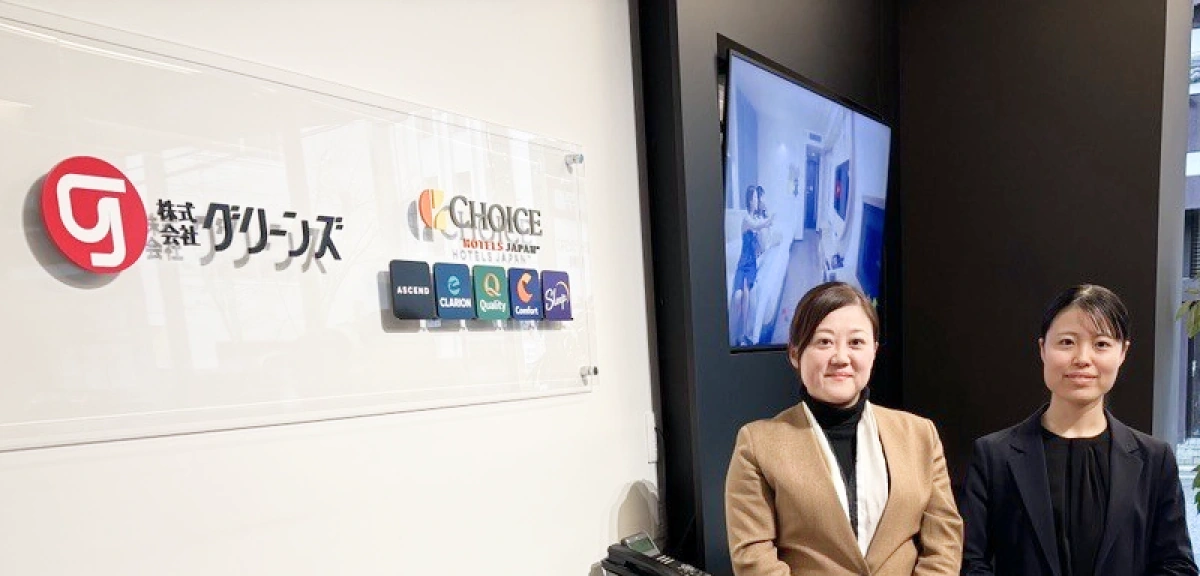
In the hotel industry, where the role of foreign staff is expanding, communication barriers stemming from uniquely Japanese business manners and customs remain a major challenge. Greens Co., Ltd., which operates hotels nationwide, has introduced an "Intercultural Understanding Seminar" for its foreign staff as a first step towards deepening mutual understanding within the company. With the desire to "maximize the potential of each individual's identity," the company is steadily building an organization that facilitates smooth communication within the company.
Background to the introduction
Creating an environment where everyone can work comfortably, transcending cultural barriers.
—Could you tell us about the reasons for introducing it and the background behind it?
Our starting point was the desire to "achieve better internal communication."
As this is an industry with a high inbound tourism demand, we are greatly helped by our foreign staff not only in terms of language, but also by their mindset and proactiveness.
However, due to the difference between Japan's unique "culture of unspoken understanding" and a culture that prefers straightforward expression, small misunderstandings sometimes arose in everyday life.
Our underlying principle is, "We don't want you to become Japanese. We want you to live in Japan while making the most of your own unique identity."
In order for individuals to utilize their strengths without sacrificing them and to thrive in the Japanese workplace environment, I believe it's necessary to have opportunities for everyone to get to know each other.
As a first step, we decided to introduce this "Intercultural Understanding Seminar" for our foreign staff.
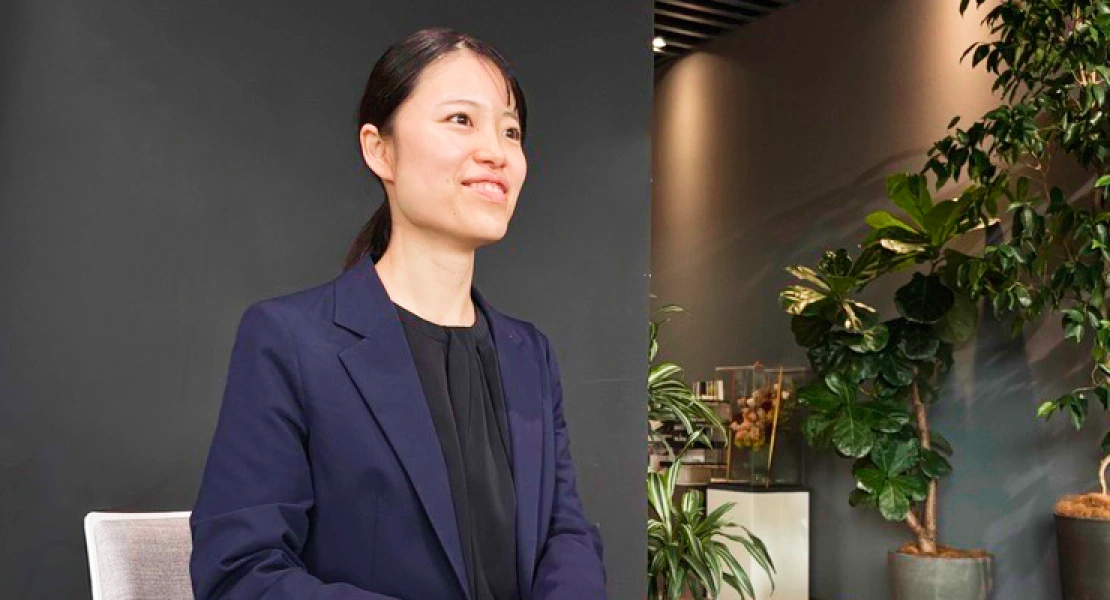
Ms. Yuri Nishizawa, Human Resources Development Department, Greens Co., Ltd.
Selection Process
The deciding factors were "thorough listening" and "clear proposals" that were tailored to the needs of those on the ground.
—Among the many training companies available, why did you choose Zipan?
One of the deciding factors in choosing to implement Zipan was that they carefully listened to our current situation and provided us with the best possible solution.
During the planning stage, they first conducted surveys with both Japanese and foreign staff. They then carefully analyzed the results, visualizing the true nature of the "cross-cultural gap" that we had vaguely sensed, using objective data.
Rather than simply providing pre-packaged training materials, being able to share a common starting point—"what's actually happening on the ground right now"—gave us a great sense of confidence in the implementation process.
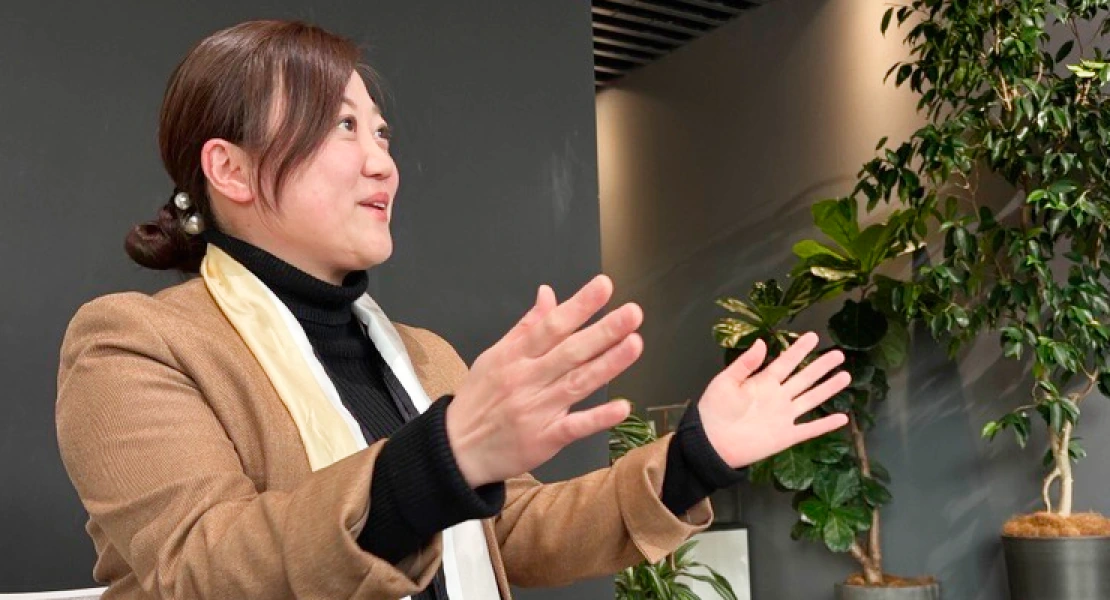
Mr. Masayoshi Ishihara, Human Resources Development Department, Greens Co., Ltd.
Implementation Plan
A workshop-style seminar to learn about "Japanese business culture" and "methods for adapting to different cultures."
—Could you tell me about the specific content of the seminar?
We held a 3-hour online seminar on intercultural understanding. Approximately 30 foreign staff members from hotels across the country participated, making it an opportunity for staff members who don't usually have many chances to meet in person to come together.
The content wasn't a one-way lecture format; there was plenty of group work, including case studies based on situations that could actually occur in the workplace. Each participant shared their opinions while comparing them to their own experiences, and I felt that it wasn't just "knowledge input," but content that they could think about personally.

Training Results
Towards communication that encourages mutual understanding and compromise.
—What were the impressions of the employees who participated in the training?
Among the foreign staff who actually participated in the training, one person realized that they had a habit of saying "yes" in Japanese even when they didn't understand, just as they would in English to acknowledge something. Through the training, they seemed to understand that this was leading to communication breakdowns, and they said that from now on they will directly say, "I don't understand, please explain."
—What specific behavioral changes did you experience after the training?
In addition to improvements in communication among foreign staff, there have also been conscious changes in communication from Japanese staff and supervisors.
For example, instead of saying "Please do XX when you have some free time," which doesn't clearly convey when you want the task to start, we now specify a deadline, such as "Please do it by XX date."
—What initiatives are you considering going forward to fostering coexistence with foreign staff?
I believe that this shouldn't be a one-time thing, but rather something that needs to be nurtured as part of the company culture over time, so I'd like to create opportunities for these kinds of compromises regularly.
In fact, we've heard requests from within the company to offer similar services for Japanese customers. We will continue to work towards creating an organization that can leverage diversity as a strength, while also responding to these requests.
Thank you for your time today. I wish you the best of luck in your future endeavors.
Employee's voice ①
Kikuchunyu-sama
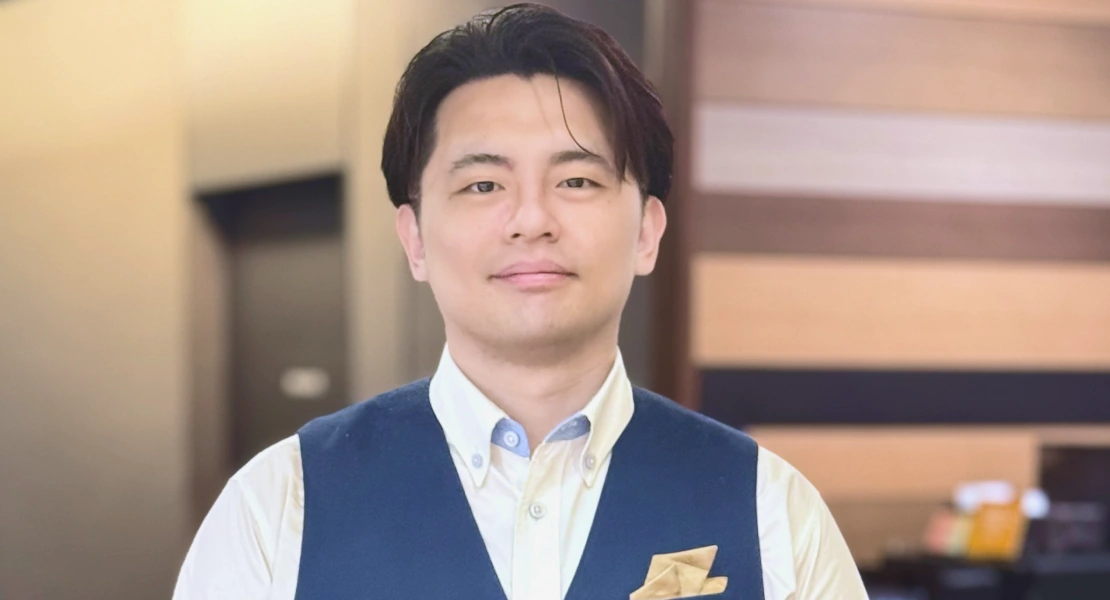
-Please introduce yourself.
I'm originally from Taiwan and have been in Japan for eight years. After graduating from university in Taiwan, I entered the Japanese hotel industry because I enjoy talking to people. Currently, as a hotel front desk staff member, I'm responsible for all aspects of customer service, including check-in and check-out, reservations, and tourist information.
Since approximately 80% of our hotel guests are foreigners, we primarily communicate in English and Chinese. Regarding Japanese, we continue to study it daily, especially in business etiquette and email communication.
—Please tell us about any cultural differences you have experienced in the Japanese workplace.
What I remember most vividly is the difference in how people interpret the phrase "early." Previously, my boss told me to "finish the new employee training materials early." The actual training was several months away, so I figured "I have plenty of time" and kept putting it off.
However, it seems they actually wanted it done within about a week, and I only realized the misunderstanding when they contacted me later asking, "Is it ready yet?"
—What do you feel has changed the most since taking the training?
Communication within the company has changed significantly, in particular. Previously, when someone pointed something out to me, I would often retort strongly, "I'm not wrong," but now I make a conscious effort to accept the other person's opinion and engage in dialogue.
Instead of directly arguing back, I've found that by clearly communicating my own thoughts and engaging in dialogue, I've been able to receive kind advice from my colleagues, and teamwork has become smoother.
—Are there any skills you would like to acquire in the future?
I feel pressured to use proper honorifics and avoid being rude, and I still sometimes get nervous when talking on the phone with Japanese customers. I would like to improve my business etiquette and telephone manners skills.
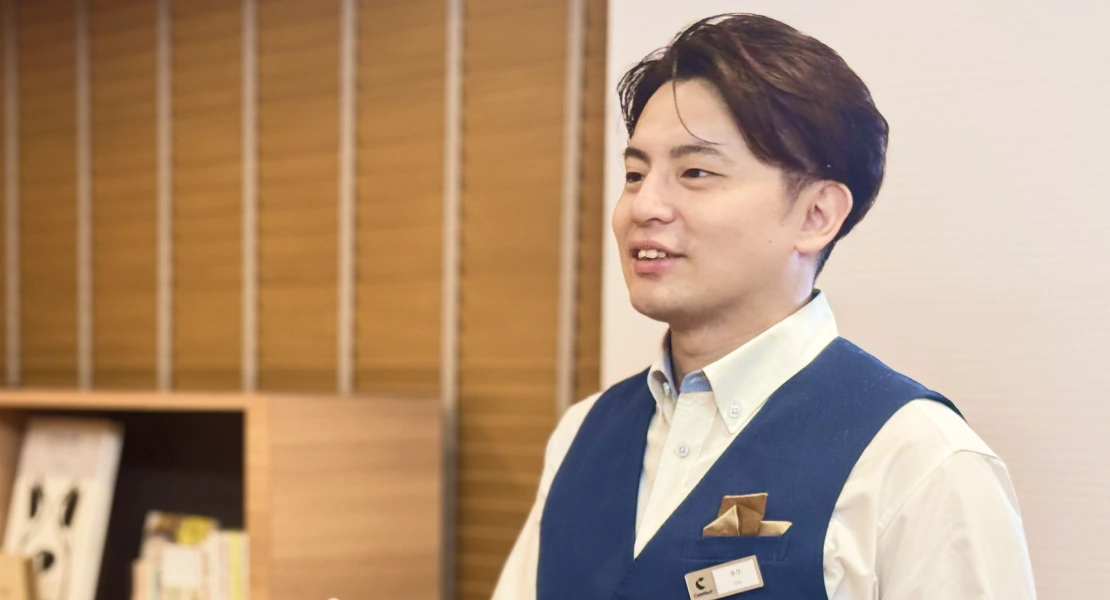
Employee's voice②
Mr. Pandemadan
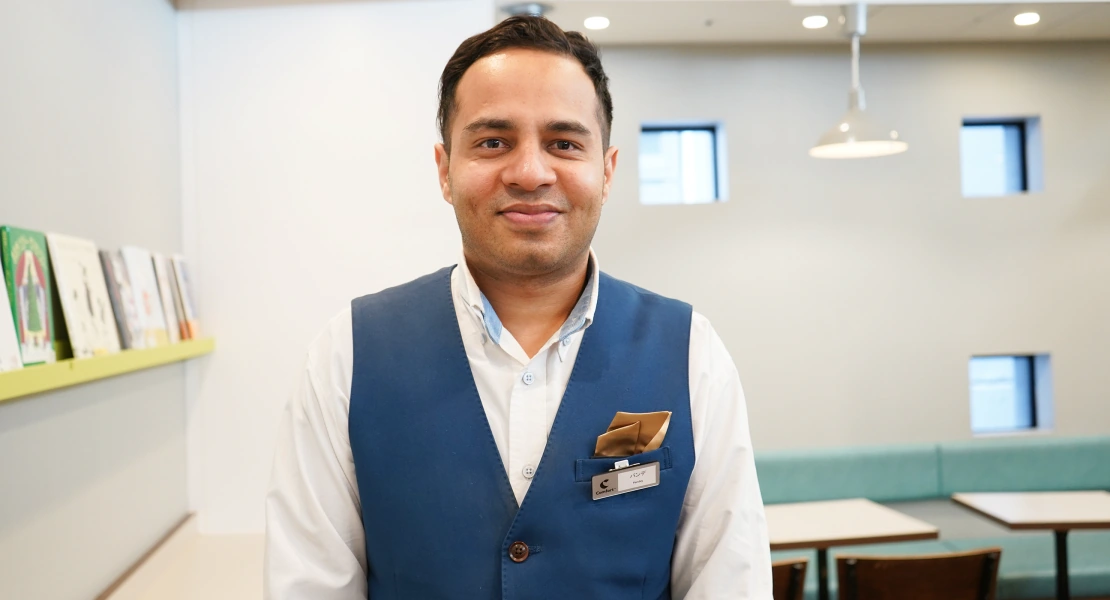
-Please introduce yourself.
I'm originally from Nepal and have been in Japan for 12 years. Currently, I work as a hotel front desk staff member, handling check-in and check-out, managing reservations, answering phone calls, and also managing hotel operations as a shift supervisor.
Twelve years have passed, and I've become quite confident in my Japanese conversational abilities. However, I still have a lot to learn about Japanese culture, honorifics, and kanji expressions.
—What was the most challenging thing you experienced while working in Japan?
I strongly feel that Japan has a culture that often avoids direct language. Nepalis tend to express their thoughts clearly, and when a problem arises, they usually identify the cause and explain it as it is. In contrast, in Japan, when something happens, it always starts with an apology. It took me a while to understand this cultural difference.
—What do you feel has changed the most since taking the training?
The biggest change has been my attitude of "making sure to confirm things I don't understand." In Japanese culture, where people tend to avoid direct expression, I used to not fully grasp intentions, and I would proceed in my own way, which would cause problems later.
Since taking the training, I've made a conscious effort to "take a step further and ask questions" to ensure my understanding is correct. I still struggle with written communication, especially email, but by involving others and asking them to check my work, I've been able to complete my tasks more accurately.
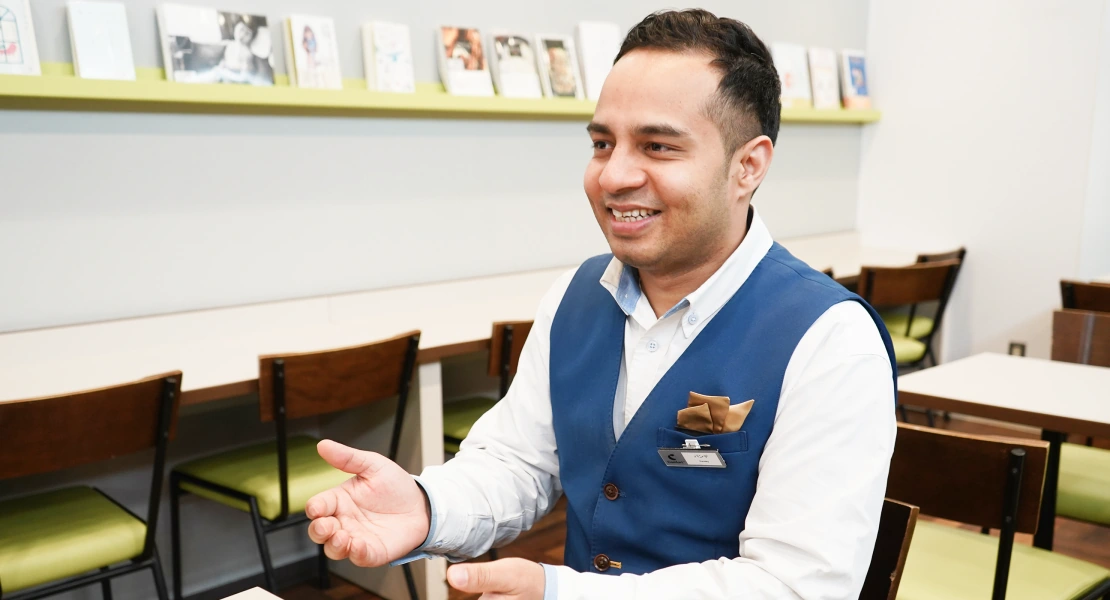
Other Case Studies


Not only Japanese,
If you want to learn about Japanese business etiquette and culture comprehensively
Business-specific
Online Japanese Language Training<Corporate Services>

For inquiries and consultations by phone
03-3526-2659(Weekdays 10:00-18:00)
